

Water Motor Parts for Different Pump Applications: A Selection Guide
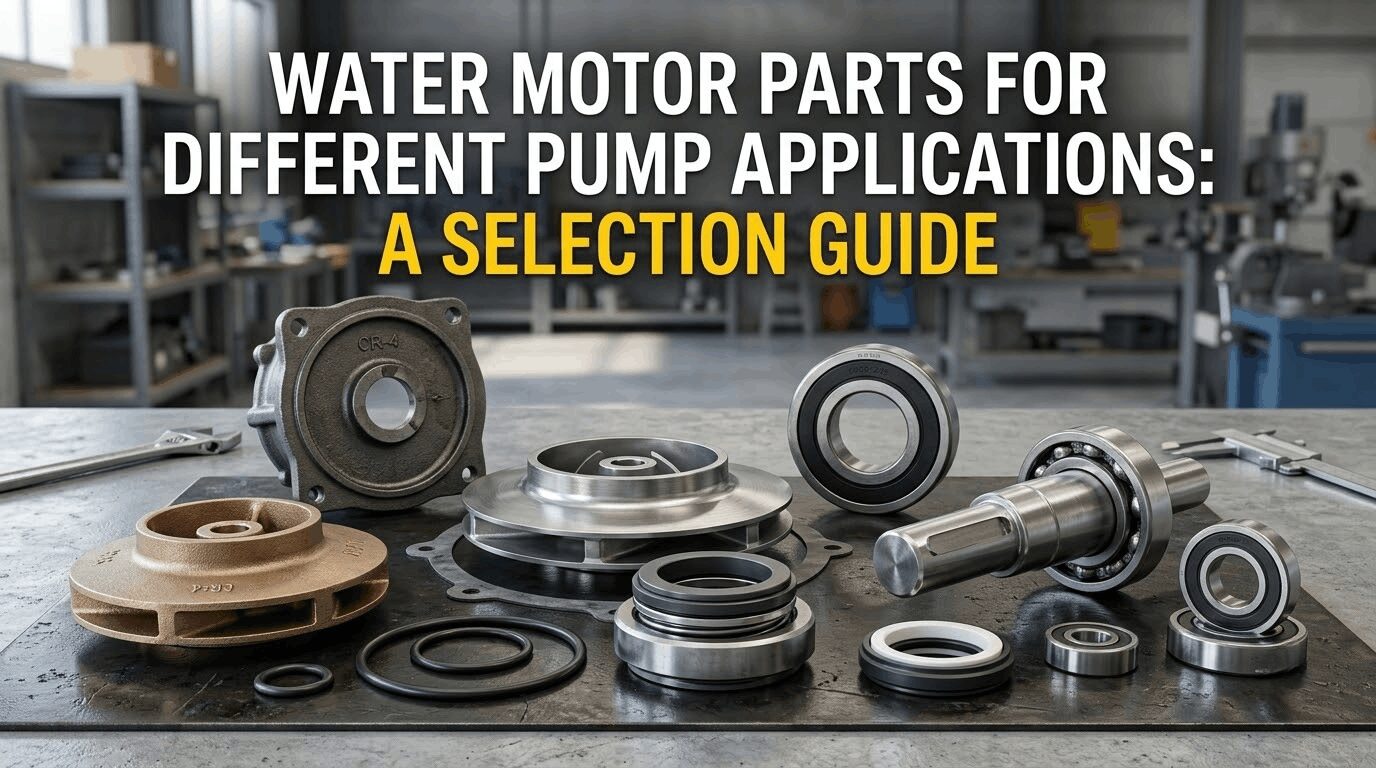
Selecting the correct motor spare dictates pump reliability across industrial plants. A replacement component cannot be selected reliably by appearance alone; it must match the pump, motor, dimensions, and operating conditions. Pump type, motor configuration, and specific operating conditions influence the selection directly. Physical dimensions and component compatibility determine if the pump will run safely or fail violently. Maintenance crews replace these parts constantly to keep municipal and industrial facilities operational. You must match the specific Water Motor Parts to the exact mechanical requirements of your fluid system. Getting this wrong costs money and downtime.
Why Choosing the Right Water Motor Parts Matters
Incorrect component selection causes immediate mechanical failure on the shop floor. You will see premature wear on the rotating assembly. Fluid leakage destroys the internal motor housing. Excessive vibration tears the heavy mounting hardware apart. Misalignment can place additional loads on the bearings and accelerate heat generation and wear. These problems can reduce motor performance and result in unplanned downtime. A chemical plant or water treatment facility cannot afford a sudden pump failure just because someone installed the wrong hardware.
You have to match water motor spare parts with the specific pump and motor configuration. A heavy duty industrial pump requires vastly different hardware than a standard commercial unit. The machining tolerances are incredibly tight. If a replacement shaft is off by a fraction of a millimeter, the entire motor seizes. Correct material specification prevents repetitive maintenance cycles. You save money by installing the exact required metal and rubber grades the first time.
Essential Water Motor Parts and Their Functions
Every pump motor relies on specific internal components to operate safely under pressure. Mechanics replace these water pump spare parts during routine maintenance overhauls.
| Motor Part | Primary Function |
| Rotor Shaft | Transfers rotational torque |
| Thrust Bearing | Handles axial loading |
| Bearings | Supports rotating components |
| Oil/Mechanical Seal | Controls leakage and protects assemblies |
| Upper/Lower Housing | Supports and protects internal components |
| Winding Wire | Provides the motor’s electrical winding |
| Stampings | Form the motor magnetic core |
| Sand Guard | Helps protect components from abrasive particles |
These mechanical components must be sourced according to the required specifications. Procuring exact Water Motor Parts ensures the rebuilt motor holds the designated mechanical load. The winding wire must match the exact voltage requirements of the facility. The stampings dictate the magnetic efficiency of the unit. The upper and lower housing keeps the internal parts aligned under heavy internal pressure. A damaged or ineffective sand guard can allow abrasive particles to enter vulnerable areas and accelerate component wear. Understanding these basic functions helps procurement teams order the right pump motor spares for the maintenance shop.
Water Motor Parts for Different Pump Applications
Different fluid systems place unique mechanical stress on the motor block. You have to evaluate the application before ordering materials.
Submersible Pumps
These heavy motors operate entirely underwater in deep wells or sumps. Sealing is the biggest priority here. The mechanical seal must block fluid at high external pressure. Thrust bearings take heavy axial loads pushing down from the long pump column. The shafts must resist extreme torque twisting under deep water conditions. You need strong sand guards. Abrasive particles will eat straight through the lower housing if the physical protection fails. The water pump motor parts in these units must survive total submersion for years.
Centrifugal Pumps
These are standard surface units used in factories. Mechanics focus heavily on the shafts and bearings. The bearings handle heavy radial loads from the spinning brass or steel impeller. Seals must prevent the process fluid from tracking back into the electrical motor housing. Alignment is critical on these horizontal units. Coupling compatibility between the motor and the pump head determines if the bearings survive the first week of operation.
Multistage Pumps
These units generate massive internal pressure using multiple impellers. This creates heavy axial loads pushing against the motor. Thrust bearing requirements are extreme. Shaft alignment must be perfect across a long physical distance. A slight bend in the rotor shaft destroys the entire motor instantly. Sealing considerations change because the internal pressure is much higher than standard single stage pumps.
Booster and Pressure Pumps
These specific systems start and stop constantly based on system demand. The short operating cycles put heavy thermal stress on the motor components. Bearings take a beating from the frequent torque spikes during startup. Shafts must resist snapping during sudden starts. You must check motor compatibility carefully. The specific water pump motor parts must handle rapid electrical cycling without overheating the windings or melting the insulation.
Monoblock and Surface Pumps
The motor and pump share a single continuous shaft in this compact arrangement. The motor housing takes the physical stress from both ends of the machine. A damaged shaft requires complete disassembly of both the pump and the motor. Bearings sit very close to the fluid zone. The mechanical seal acts as the only physical barrier keeping water out of the motor windings. You have to select heavy duty seals for these specific units.
How to Select the Right Water Motor Parts
You need specific technical data before buying hardware. Follow this selection checklist directly on the shop floor.
- Identify the exact pump and motor type.
- Confirm the equipment model on the metal nameplate.
- Check shaft and bearing dimensions with digital calipers.
- Verify mounting and component dimensions against the housing.
- Confirm material requirements for the operating environment.
- Check seal compatibility with the operating medium.
- Verify single-phase or three-phase configuration where applicable.
- Consider water quality, fluid temperature and ambient operating environment.
- Match OEM specifications, factory drawings or specific part numbers.
Do not guess the required dimensions. You need to verify the exact measurements. A bearing that looks physically similar might have a completely different internal clearance. The operating medium dictates the mechanical seal material. Standard rubber fails quickly in hot chemical water. Selecting Water Motor Parts requires cold math and accurate measurement.
Common Mistakes When Replacing Motor Parts
Maintenance teams make the same errors during motor rebuilds. They select water motor spare parts based only on visual appearance. They ignore specific dimensional compatibility. Choosing incorrect bearings causes rapid heat buildup and seizure. Using unsuitable seal materials causes immediate chemical leaks.
Mechanics often fail to check shaft specifications for straightness and runout. They ignore the actual operating conditions of the plant. A common error involves replacing only the visibly damaged component. If a bearing shatters, the heavy shaft usually bends. You must check both components. Buyers often purchase electrical components without checking the specific motor specifications on the nameplate. This leads to burned out electrical windings on the first startup.
Maintenance Practices for Longer Motor-Part Performance
You have to inspect the hardware regularly to prevent failures. Do a full bearing inspection during every scheduled teardown. Perform a careful shaft inspection to check for scoring or physical bending. Run frequent seal and leakage checks while the pump operates under full load.
Vibration monitoring tells you if the internal alignment is failing. Execute an electrical inspection on the winding wire to check for insulation breakdown. Keep the exterior motor housing clean to prevent severe overheating. Check for abrasive contamination inside the seal chamber. Timely replacement of worn components prevents catastrophic motor failure. Changing cheap water pump spare parts today saves an expensive rotor shaft tomorrow.
Conclusion
Selecting exact Water Motor Parts requires careful consideration of the pump application, motor configuration, physical dimensions, materials, and operating conditions. You must match the hardware to the exact mechanical load. Technically compatible components are vastly preferable to replacements selected solely on appearance or cheap price. Using correct industrial hardware keeps fluid systems running safely and prevents expensive facility downtime.
