

How Gate Valve Pressure Class Affects Valve Selection
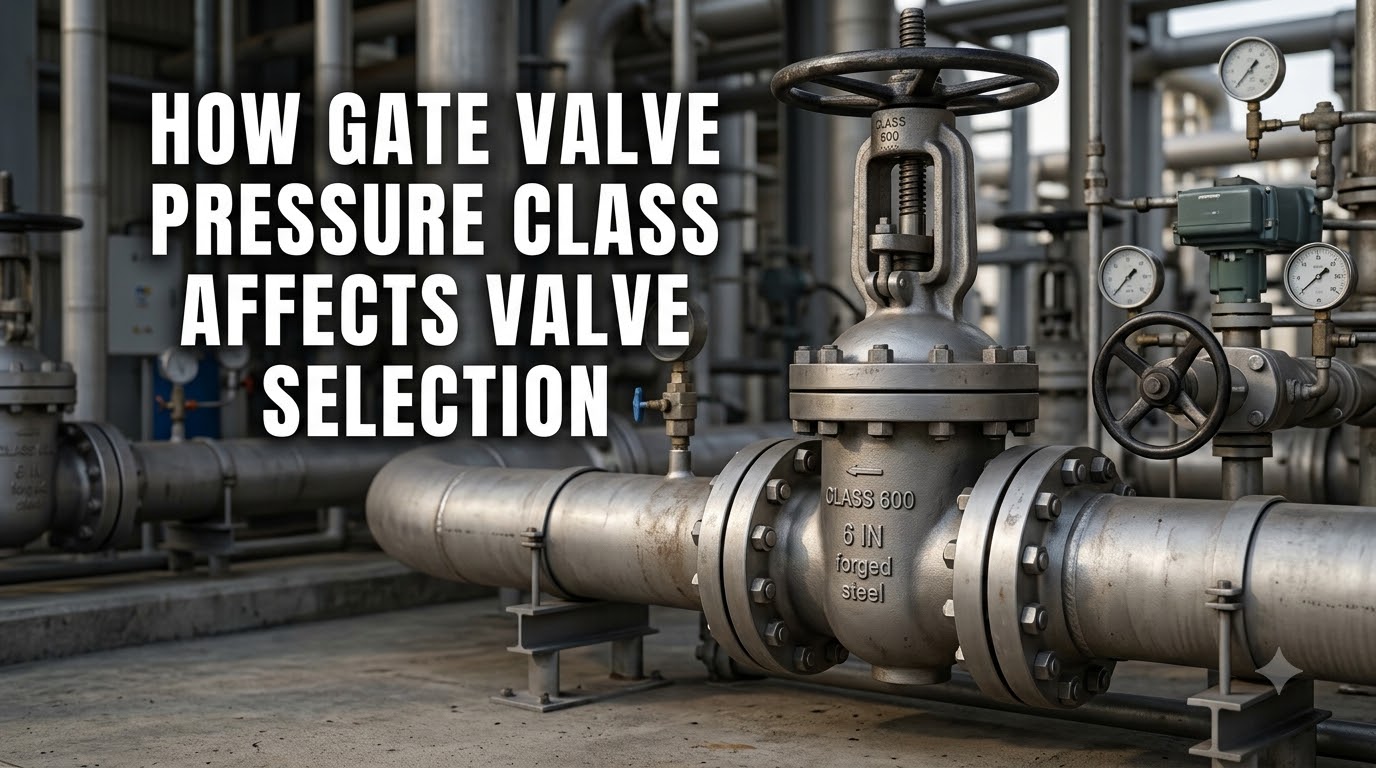
Selecting a gate valve requires careful consideration of its pressure class. This classification indicates the pressure-temperature rating of the valve under specified service conditions. The selected class must be suitable for the system’s actual operating pressure and temperature to maintain safe and reliable performance. Choosing an unsuitable rating can increase the risk of leakage, deformation, or structural failure. System operating parameters establish the valve requirements, while the pressure class helps confirm whether the valve is suitable for those conditions. Engineers use these parameters to determine the appropriate rating before preparing a valve specification and selecting an API Gate Valves Manufacturer that can meet the required standards.
What Does Gate Valve Pressure Class Mean?
ASME defines pressure classes like Class 150, 300, 600, 900, 1500, and 2500. A class designation is not a fixed maximum pressure in psi for every temperature. The pressure-temperature ratings shift based on the material used and the applicable manufacturing standard. ASME B16.34 establishes the connection between pressure class, material group, and design temperature. A Class 300 valve made of carbon steel has a different maximum working pressure than a Class 300 valve made of stainless steel at the exact same operating temperature.
Pressure Class and Operating Temperature
Operating temperature directly alters allowable pressure. As the system temperature increases, the physical strength of the valve material decreases. Buyers must evaluate the specific pressure-temperature rating chart for the chosen material rather than selecting a pressure class based solely on the normal operating pressure. A system running at high temperatures will require a higher pressure class to compensate for the material’s reduced strength. You look up the temperature first and then find the maximum pressure allowed for that specific material group. This step is mandatory for safety.
How Pressure Class Influences API Gate Valve Selection
The pressure class determines the physical design of the valve. It dictates pressure containment capabilities, minimum wall thickness, component dimensions, and specific testing requirements. Higher classes require thicker bodies and stronger bolting materials to contain the internal forces. API 600 gate valves are built for classes ranging from Class 150 up to Class 2500. The specific pressure-temperature ratings for these valves are referenced through ASME B16.34. The class affects the overall weight and dimensions of the unit being installed in the pipeline.
Consider Valve Size and Line Requirements
Valve selection requires matching the nominal pipe size with flow-line requirements and end connections. The physical face-to-face dimensions of a valve depend directly on its designated pressure class. A larger valve size does not automatically require a higher pressure class. You can have a 24-inch Class 150 valve and a 2-inch Class 1500 valve. The line size is based on flow rates and pipe dimensions, while the pressure class is based entirely on system temperature and pressure variables. Both must align with the piping layout.
Match the Valve Material to Service Conditions
Materials include carbon steel, stainless steel, alloy steel, and special metallurgy. Fluid characteristics, corrosion exposure, working temperature, and pressure define the material selection process. Sour gas applications need different materials than basic water lines. iSteel lists carbon steel, stainless steel, and other material grades for its API gate valves. The material you pick will change the actual pressure limits within a specific pressure class. You check the fluid compatibility first and then verify if the material meets the structural demands of the system.
API Standards and Pressure-Class Requirements
Different valve types follow specific standards. API 600 covers steel gate valves with bolted bonnets. API 602 specifies compact steel gate valves. API 603 handles corrosion-resistant bolted bonnet gate valves. API 6D covers pipeline valves. These standards are not interchangeable. A pipeline application requires an API 6D valve, not an API 600 valve, even if both are available in the same pressure class. iSteel identifies API 600, API 602, API 603 and API 6D across its API gate-valve range to match the correct standard with the application. Plant engineers must verify this reference in the data sheet.
Pressure Class vs PN Rating
ASME Class and PN ratings are two different systems. PN stands for nominal pressure in the metric system. ASME Class 150 is not the same as PN 20. Buyers should not treat these designations as direct numerical equivalents. Attempting to convert between the two systems without referring to the specific standards causes procurement errors. You must specify which rating system the piping design uses and order the valve accordingly. Mixing flanges built to ASME standards with those built to PN standards creates mechanical mismatches during installation.
Other Factors That Affect Gate
Valve Selection Beyond the pressure class, you must check the fluid type being handled in the operation. Operating pressure, temperature limit, and nominal size are mandatory inputs. The material of construction must resist the fluid. End connections like flanged or butt weld must match the pipe. Actuation methods dictate if the valve is operated manually or with a motor. Sealing requirements determine the seat type. Installation conditions affect the valve stem orientation. The applicable project standards set the minimum rules for the entire procurement process. Missing any of these details leads to incorrect equipment delivery.
How to Select the Appropriate API Gate Valve
The selection sequence follows a direct path. You start with the operating and design pressure. Next, you check the maximum and minimum design temperatures. These two parameters allow you to determine the required pressure class. After finding the class, you specify the body and trim material based on the fluid. Then you confirm the valve size and pick the relevant manufacturing standard based on the application type. Finally, you select the end connection and list any specific testing or documentation requirements for the project.
Selecting an API Gate Valves Manufacturer
Buyers must verify several details before placing an order. Check the applicable manufacturing standards the supplier follows. Confirm their available pressure-class range. Review the materials they cast or forge. Ask about their testing procedures, documentation control, and third-party inspection capabilities. You also need to confirm they can handle project-specific requirements like special painting or non-destructive testing. As an API Gate Valves Manufacturer, iSteel India provides complete technical details. Choosing the right API gate valve manufacturer eliminates quality issues during the execution
Final Considerations
Pressure class is not an isolated variable. It must be selected together with the operating temperature and the material of construction. The correct valve standard confirms the design fits the application. System design requirements set the baseline for all physical dimensions and connections. Getting the pressure class wrong compromises safety. High pressure applications using high pressure API gate valves need exact matching of these variables to function properly in the field. Review the piping specification, check the pressure-temperature charts, and order the exact configuration required for the pipeline. This approach prevents field failures.
