

How Many Nursing Bras Do You Actually Need?
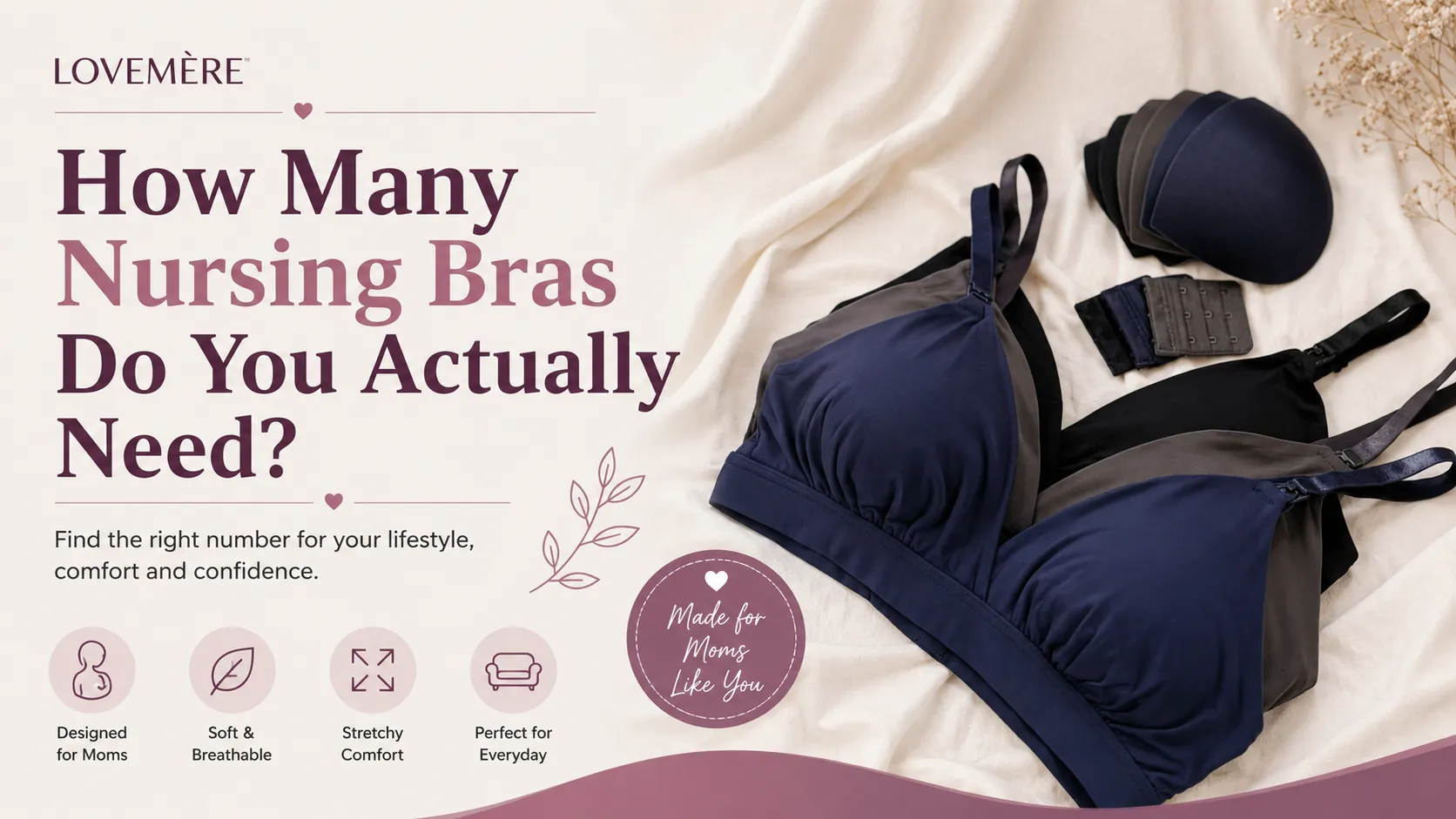
Preparing for a new baby involves making countless exciting and sometimes overwhelming decisions. You are picking out tiny clothes and setting up the nursery while simultaneously trying to figure out what you actually need for your own postpartum recovery. The most common questions expecting mothers ask is exactly how many nursing bras they should buy. It sounds like a straightforward question that should have a simple mathematical answer. The truth is that there is no one-size-fits-all number. The ideal amount depends entirely on your daily routine and your personal laundry habits.
The Difference Between a Maternity Bra and a Nursing Bra
Before deciding on a number it helps to understand the clothing you are actually buying. During your pregnancy you will likely notice your ribcage expanding and your breasts growing significantly. This is exactly where a Maternity Bra becomes incredibly helpful. It is designed specifically to stretch and support your changing shape without wires digging into your skin. It provides the daily comfort you need when your regular lingerie starts feeling entirely too restrictive.
Once your baby arrives your daily needs will change again. A Nursing Bra offers that same stretchy support but includes specialized clips or front panels that drop down to give your hungry baby easy access for feeding. Many mothers wonder about the timeline for making this wardrobe switch. If you are curious about the best time to make the change you can read our guide on When Should You Start Wearing a Nursing Bra? Generally speaking many women transition to nursing styles in their third trimester so they do not have to buy two entirely different sets of bras within a few short months.
Why Your Changing Body Makes Buying Tricky
Your body will go through significant physical changes in the weeks immediately following birth. When your milk comes in your breasts will likely increase in size once again. They will also fluctuate throughout the day depending on how recently your baby has eaten. Because of this unpredictability getting the right fit is essential for avoiding painful issues like clogged milk ducts. If you feel unsure about your sizing right now you can check out our resource on How to Measure Your Nursing Bra Size During Pregnancy to ensure you get a fit that accommodates these natural bodily fluctuations.
Lifestyle Factors That Influence Your Magic Number
Your daily routine plays the biggest role in determining your personal magic number. Every mother experiences a vastly different postpartum journey depending on her home life and work responsibilities. Let us look at the practical everyday situations that dictate how many bras you will actually pull from your drawer each week.
Your Laundry Habits Your laundry routine is the most basic factor to consider. If you are someone who runs a wash cycle every single morning you can easily survive on a much smaller clothing rotation. A mother who washes clothes daily might only need three bras in total. One is worn on her body while another is in the wash and the third is sitting in the drawer as a clean backup. If you prefer to save all your laundry for the weekend you will need a larger collection to get you through the week without stressing over running out of clean clothes.
The Unexpected Reality of Milk Leakage Milk leakage is another messy reality that often catches new mothers completely off guard. In the early weeks of breastfeeding your body is still trying to regulate its milk supply. You might experience spontaneous letdowns when you hear a baby cry or simply when your breasts feel full. Babies are also known for unexpected spit-ups right after a satisfying feed. These little messes mean you might need to change your bra completely unexpectedly in the middle of the afternoon. Mothers who experience heavy leaking often find themselves going through two or even three bras in a single day.
Day Bras vs Sleep Nursing Bras
You will also need to consider the vast difference between your daytime support and what you wear to bed. When you are sleeping you still need light support to hold breast pads in place and catch nighttime leaks. You definitely do not want anything structured or restrictive while trying to rest comfortably. A soft sleep nursing bra is usually the best option for overnight wear. For daytime wear you might prefer something with slightly more shape to wear out of the house. If you are debating the structural differences you should definitely read Wire vs Wireless Nursing Bra: Which One is Right for You? to understand how different styles support your changing body.
Working Mothers vs Stay-at-Home Mothers
Your work situation heavily influences your clothing needs as well. A stay-at-home mom might spend her days in comfortable loungewear while feeding her baby every few hours on demand. She can usually get away with wearing seamless stretchy styles all day long because she does not need to worry about office dress codes. A working mom faces a completely different set of requirements when returning to her job. If you are pumping during office hours you need a bra that securely supports your breast pump flanges while still looking smooth and professional under your work blouses. Working mothers often discover they need a specialized mix of structured daytime styles for the office and completely different comfortable lounge styles for their evenings at home.
Travel and Keeping a Backup Handy
When you become a mother you quickly learn the absolute importance of having backup supplies. It is always a wise idea to keep an extra bra tucked inside your diaper bag or stored in the glove compartment of your car. If you are traveling for a family holiday or simply taking a long day trip across town a sudden leak or an accidental baby spill can leave you feeling incredibly uncomfortable. Having a dedicated backup bra that stays securely in your travel bag ensures you are never caught in a stressful situation away from home.
Why Comfort Always Beats Quantity
As you build your wardrobe remember that owning ten poorly fitting bras will never serve you as well as having three that fit perfectly. The weeks following childbirth are demanding enough without adding the physical distraction of digging straps or itchy fabrics. A well-designed bra should feel like a gentle hug rather than a restrictive cage. Focus your budget on acquiring a few high-quality pieces made from breathable fabrics rather than buying a large quantity of cheaper alternatives that might irritate your sensitive skin.
Practical Examples to Help You Decide Instead of guessing a random number it helps to look at a few real-life scenarios. These examples can help you figure out exactly where you fit on the spectrum.
The Minimalist Mother might be a stay-at-home mom who does laundry every day or two. She has a fairly regulated milk supply with only occasional minor leaks. In this situation she might be perfectly fine with just three daytime bras and two soft sleep bras.
The Working and Pumping Mother might be heading back to the office and pumping three times a day. She only has the time and energy to do laundry on Sunday afternoons. She will likely need at least five or six structured daytime bras to get her through the busy workweek along with three comfortable sleep bras for her nights and weekends at home.
The Heavy Leaker might be a mother whose milk supply is incredibly robust. She finds herself waking up with soaked pajamas and needing a midday outfit change because of sudden unpredictable letdowns. She will want a larger stash to maintain her sanity. Six to eight bras total might be her sweet spot so she is never left digging through the dirty laundry basket at two in the morning.
If you are still feeling a bit overwhelmed by the shopping process you might want to review 5 Things I Wish I Knew Before Buying My First Nursing Bra. Learning from the honest experiences of other mothers can save you from making frustrating purchasing mistakes.
Should You Buy Them All Before the Baby Arrives?
One of the smartest strategies is to build your collection gradually. You do not need to buy your entire breastfeeding wardrobe before you head to the hospital. Your body will change and your personal preferences might shift once you actually start nursing your baby. The most practical approach is to buy two or three highly adjustable stretchy bras in your final trimester. These will pack nicely in your hospital bag and get you comfortably through those messy first few weeks. Once your milk supply regulates and you settle into a predictable routine you can order a few more styles that perfectly fit your established lifestyle.
Every Mother Is Different
Motherhood is a profoundly personal journey and your wardrobe should simply adapt to make your life easier. Try not to stress over hitting a specific number recommended by a magazine or a well-meaning friend. Evaluate your laundry habits and consider your daily routine to find a practical balance that works for you. Whether you survive beautifully on three trusted favorites or feel more secure with a drawer full of options the right choice is simply whatever keeps you comfortable and supported while you care for your baby.
Frequently Asked Questions
How many Nursing Bras should I buy before my baby arrives?
You should aim to buy two or three highly stretchy and adjustable bras before your due date. This gives you enough clean options to wear while in the hospital and during your first week at home. You can buy more once your milk regulates and you know your true postpartum size.
Can I wear a Maternity Bra instead of a Nursing Bra?
You can definitely wear a maternity bra during your pregnancy for extra stretch and comfort. However once your baby arrives a maternity bra becomes highly inconvenient because it lacks the drop-down clips required for easy breastfeeding access.
How often should I wash my Nursing Bras?
You should wash your bra anytime it becomes soiled with breast milk or sweat. For some mothers this means washing after a single wear. If you do not experience heavy leaking and stay relatively clean you might be able to wear a bra twice before tossing it in the laundry basket.
Do I need separate Nursing Bras for sleeping?
Most mothers vastly prefer having separate bras for sleep. Daytime styles often have more structure and thicker fabrics to provide shape under clothing. Sleep bras are usually made of soft lightweight materials with no clasps or hardware allowing you to rest comfortably while keeping nursing pads securely in place.
Should I buy all my Nursing Bras before giving birth?
It is highly recommended that you do not buy your entire collection before giving birth. Your breast size will likely fluctuate significantly when your milk comes in. Buying just a couple of flexible starter pieces ensures you do not waste money on bras that might not fit you two weeks postpartum.
