

Exercises That May Support Sciatica Treatment and Recovery
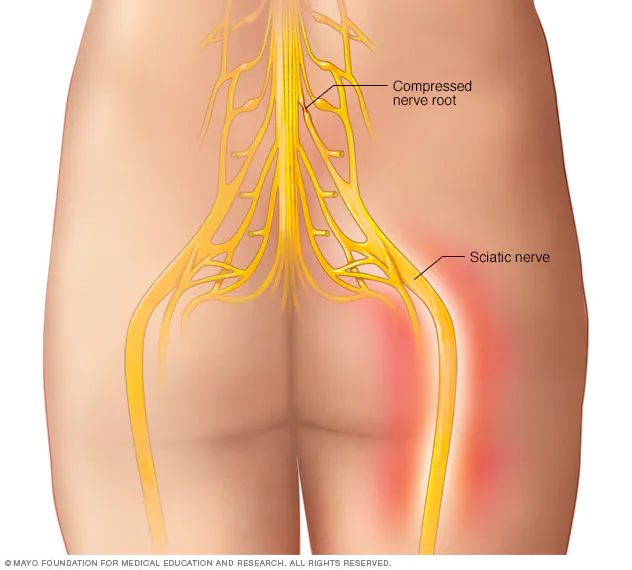
Sciatica can cause pain, tingling, numbness, or weakness that travels from the lower back through the buttock and into one or both legs. These symptoms may develop when the sciatic nerve or the nerve roots that contribute to it become irritated or compressed. While the right treatment depends on the underlying cause and severity of symptoms, appropriate movement and exercise may play a helpful role in recovery for some individuals. People seeking Sciatica Treatment in St. Louis may benefit from a personalized care plan that includes professional evaluation and exercises suited to their specific condition.
Exercise is not a one-size-fits-all solution. The movements that help one person may not be appropriate for another, especially when symptoms are severe or caused by different spinal conditions.
Why Exercise May Help
Appropriate exercise may help reduce stiffness, improve flexibility, strengthen supporting muscles, and restore normal movement patterns. Staying completely inactive for extended periods can sometimes lead to additional stiffness and muscle weakness.
A healthcare professional or physical therapist can help determine which movements are appropriate based on the cause of symptoms.
Gentle Walking
Walking is a low-impact activity that may help some people remain active without placing excessive stress on the spine.
Tips for Walking
- Start with short distances.
- Maintain an upright posture.
- Wear supportive footwear.
- Increase duration gradually.
- Stop if symptoms significantly worsen.
Regular movement may help prevent prolonged stiffness and support overall mobility.
Hamstring Stretches
Tight hamstrings can affect pelvic and lower-back movement. Gentle stretching may help improve flexibility.
General Stretching Guidelines
- Move slowly.
- Avoid bouncing.
- Do not force the stretch.
- Keep movements within a comfortable range.
A physical therapist can demonstrate appropriate techniques and determine whether hamstring stretching is suitable for an individual’s condition.
Piriformis Stretching
The piriformis is a muscle located deep in the buttock area. In some cases, tightness or irritation in this region may be associated with sciatic-like symptoms.
Gentle stretching may help improve mobility in the hip and buttock area. However, the exact cause of symptoms should be identified before relying on a specific exercise.
Core Strengthening
The muscles of the abdomen, lower back, and hips help support the spine during movement.
Core Exercises May Focus On
- Abdominal stability
- Hip strength
- Pelvic control
- Proper movement patterns
Strengthening should be introduced gradually and with proper technique. Exercises that increase radiating pain, numbness, or weakness should be stopped and discussed with a healthcare professional.
Pelvic Tilts
Pelvic tilts are gentle movements that may help some individuals improve awareness and control of the lower back and pelvic region.
These exercises can be performed in different positions depending on comfort and ability. A professional can recommend the most appropriate variation and number of repetitions.
Gentle Back Mobility Exercises
Certain controlled movements may help improve spinal mobility and reduce stiffness.
The appropriate direction of movement can vary depending on the underlying cause of sciatica. For this reason, it is important not to assume that every back exercise is suitable for every person.
Hip Mobility Exercises
Limited hip mobility can affect the way the body moves during walking, bending, and other daily activities.
Gentle Hip Exercises May Include
- Controlled hip movements
- Hip flexor stretches
- Gluteal strengthening
- Mobility exercises
Improving hip movement may reduce compensatory strain on other areas of the body.
Pay Attention to Body Mechanics
Recovery is not limited to formal exercise sessions. The way you move throughout the day can also affect symptoms.
Practice Healthy Movement Habits
- Avoid sudden twisting.
- Use appropriate lifting techniques.
- Change positions regularly.
- Avoid prolonged sitting when possible.
- Take movement breaks during the day.
Improving everyday movement patterns can complement a rehabilitation program.
Know When to Stop Exercising
Mild discomfort can sometimes occur when beginning a new activity, but significant worsening of symptoms should not be ignored.
Stop exercising and seek professional advice if you experience increasing radiating pain, new or worsening weakness, significant numbness, or other concerning symptoms. Immediate medical attention is important for severe symptoms such as loss of bladder or bowel control or numbness in the groin area.
Conclusion
Appropriate exercises may play a valuable supporting role in sciatica recovery by improving flexibility, mobility, strength, and everyday movement patterns. Gentle walking, carefully selected stretches, core strengthening, pelvic control, and hip mobility exercises may be included in a personalized rehabilitation plan when appropriate. However, the underlying cause of symptoms should guide exercise selection, since the wrong movement can sometimes worsen discomfort. Individuals considering Sciatica Treatment in St. Louis should work with a qualified healthcare professional to develop a safe treatment and exercise plan that supports symptom relief, recovery, and long-term mobility.
