

Seasonal Tree Care in Knoxville and East Tennessee: A Year-Round Guide for Property Owners
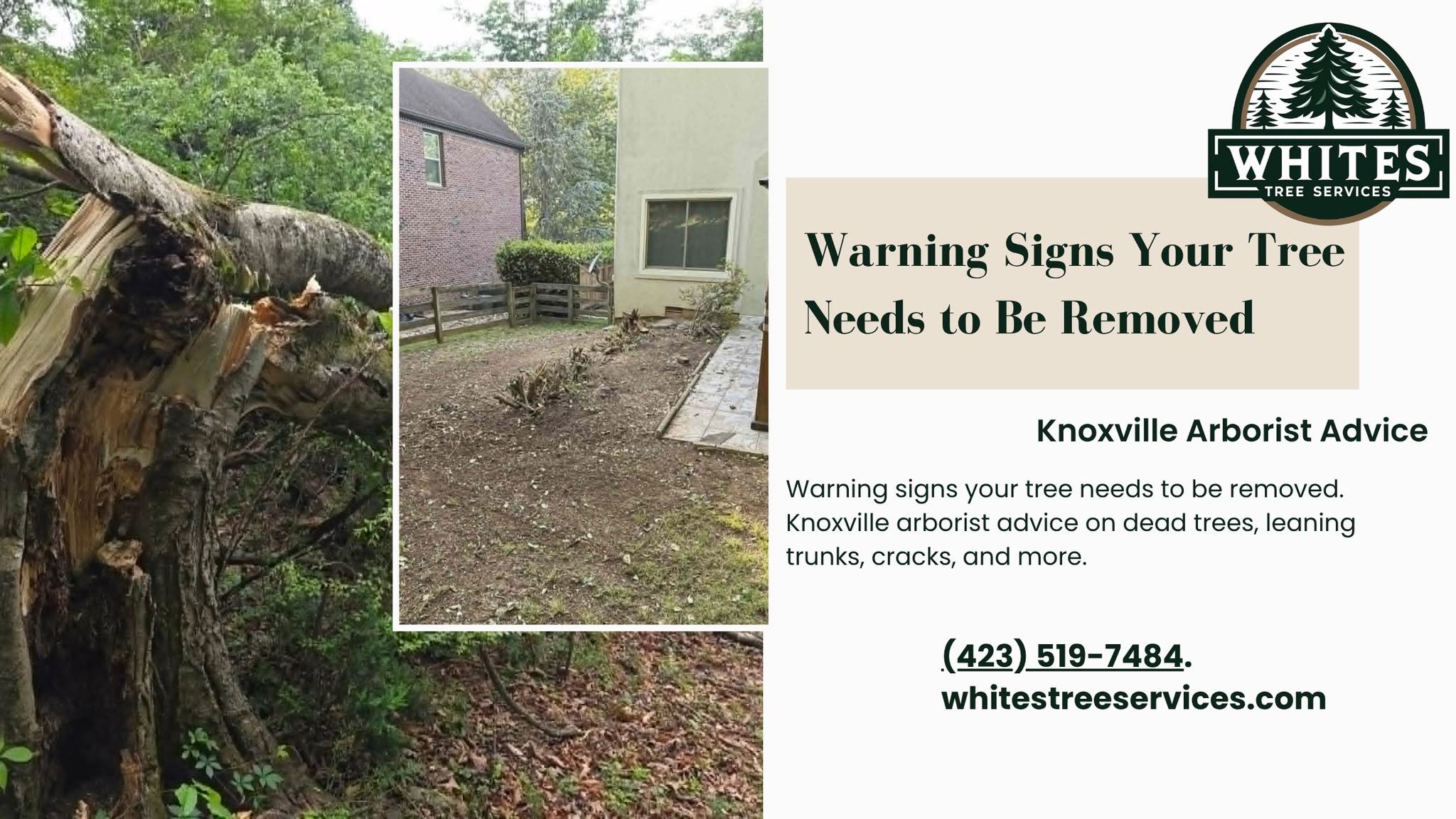
Tree care in Knoxville and the broader East Tennessee region follows a seasonal rhythm that is shaped by the specific climate, species composition, and weather patterns of this place. The same pruning work done in February versus May can produce dramatically different outcomes for an oak tree. The same storm that causes minor limb breakage in a well-maintained canopy can cause catastrophic structural failure in a neglected one. And the pest and disease pressures that require attention in the region follow seasonal cycles that informed, proactive management accounts for — while reactive management always arrives too late.
This seasonal guide covers what tree care work is most important and most effective during each period of the year in East Tennessee, and why timing matters more than most property owners realize when managing trees that represent decades of growth and real property value.
Late Winter: January Through February
Late winter is, counterintuitively, one of the best times of year for active tree care work in East Tennessee. The reasons are multiple and mutually reinforcing.
Trees are fully dormant. The vascular system has shut down for winter, wounds are not actively bleeding sap that can attract insects, and the tree’s energy reserves are not being directed toward active growth that pruning would interrupt. This dormancy makes pruning both safer for the tree and easier to execute cleanly.
Structure is fully visible. Without leaves, a tree’s branching architecture is exposed entirely. Dead branches, co-dominant stem problems, crossing and rubbing branches, and structurally compromised attachment points that might be partially concealed by summer foliage are all visible and accessible. A skilled arborist can assess and address structural issues in winter that would require more guesswork in the leafed-out season.
Oak pruning must be completed before spring. This cannot be overstated for East Tennessee’s large oak population. The fungi responsible for oak wilt are transmitted by sap-feeding beetles that become active in spring. Fresh pruning wounds during the flight period — roughly April through June in Tennessee — are primary transmission vectors. All oak pruning in the region should be completed before late February to minimize disease risk. Providers who are not aware of this timing requirement or who suggest that spring pruning of oaks is acceptable are missing foundational local arboricultural knowledge.
Spring: March Through May
Spring brings the first flush of growth and the beginning of the active pest and disease season. Several management priorities are specific to this period.
Monitor for late frost damage. Knoxville occasionally experiences late frosts in March and into early April that damage tender new growth. Frost-damaged tissue appears blackened or wilted and is often mistaken for disease. Waiting several weeks after a frost event to assess whether the affected tissue is actually dead — and whether the tree responds with normal re-flushing — avoids premature removal of material that may recover.
Spring-flowering ornamentals are pruned after bloom. Dogwoods, redbuds, serviceberries, and azaleas form their flower buds during the previous growing season. Any trimming done before or during flowering removes those buds. The correct window for pruning spring-flowering ornamentals is immediately after the flowers have finished — typically late April through mid-May in East Tennessee — allowing the plant to set next season’s buds during the summer.
Hemlock woolly adelgid assessment. Eastern hemlocks in shaded creek-side settings — common on many Knoxville area properties — should be assessed for HWA in spring when the insect’s egg sacs are most visible. Treatment begun before hemlocks show significant decline is dramatically more effective than treatment attempted after substantial canopy loss.
Summer: June Through August
Summer in East Tennessee is the season of active pest and disease monitoring, storm response, and the practical management of the consequences of the growing season’s pressures.
Thunderstorm response is the most urgent summer tree care need. East Tennessee’s active convective storm season regularly delivers damaging straight-line winds that break limbs and occasionally topple trees. Post-storm assessment — looking specifically for partially broken limbs suspended in the canopy, trees that have shifted in their root zone, and new cracks or structural compromises — should happen after every significant event. These conditions deteriorate with time and worsen with subsequent weather.
Emerald ash borer monitoring continues through the summer. EAB adults are most active during summer, and the damage from larval feeding becomes most visible as the beetle population accumulates. Ash trees showing canopy thinning, S-shaped galleries visible beneath peeled bark, or D-shaped exit holes in the bark should be assessed promptly — treatment options narrow significantly once crown loss exceeds 30 to 40 percent.
Heavy pruning should be limited during summer. Removing significant portions of a tree’s leafy canopy during the period of peak photosynthetic demand creates stress that compromises the tree’s ability to set energy reserves for winter. Summer pruning is appropriate for dead wood, active hazards, and carefully limited structural work — not for significant crown reduction or heavy thinning.
Fall: September Through November
Fall provides a second window for proactive tree care before the winter ice season, and the work done in this period often determines how well the tree canopy weathers the winter and early spring.
Structural assessment before winter. Fall is an excellent time to schedule a professional tree health assessment for trees near structures. The assessment catches conditions — new cavities, developing root problems, structural defects in the canopy — that should be addressed before the winter ice season applies loading to already-compromised structures. Early identification provides time to schedule and complete the work before conditions that would make it more urgent and more expensive.
Mulching. Applying a proper mulch layer — three to four inches of organic mulch, kept away from direct trunk contact — in fall provides meaningful benefit through the winter and into spring. Mulch moderates soil temperature, retains moisture during winter dry spells, suppresses competing vegetation, and protects surface roots from freeze-thaw cycles that can damage roots near grade.
Fall-flowering shrub pruning should be avoided. Shrubs that bloom in fall or are preparing to set spring buds should not be heavily pruned in fall. Wait until late winter for most structural pruning of ornamental shrubs to avoid removing either current-season flowers or developing buds for the following spring.
Throughout all seasons, having a consistent relationship with a qualified knoxville tree service provider who knows the specific trees on a property, understands their history, and can assess seasonal needs with that accumulated knowledge produces better outcomes than a series of one-time service calls from different contractors who are starting from scratch each time.
The Case for Annual Professional Assessment
The seasonal guide above provides a framework for what tree care activities are appropriate during different parts of the year, but it does not replace the specific knowledge of specific trees on a specific property. An annual professional assessment — typically scheduled in late fall before winter or early spring before the storm and pest season — provides the property-specific recommendations that a general guide cannot.
The ISA recommends annual assessment for trees in high-consequence zones — large trees near occupied structures, trees over parking areas and driveways, trees adjacent to utility lines. This recommendation reflects the reality that tree conditions change year to year, and that conditions identified and addressed in their early stages are consistently cheaper and less disruptive to manage than conditions discovered after they have progressed.
Conclusion
East Tennessee’s seasonal tree care calendar is shaped by the specific demands of the region’s climate, its dominant tree species, and its active weather patterns. Property owners who align their tree care investments with this seasonal rhythm — dormant pruning in late winter, spring monitoring and post-bloom ornamental work, summer storm response, and fall assessment before the ice season — protect the full value of their tree canopy more effectively than those who schedule service opportunistically or reactively.
