

Digital Biomanufacturing Transforming Biotechnology with Smart Manufacturing
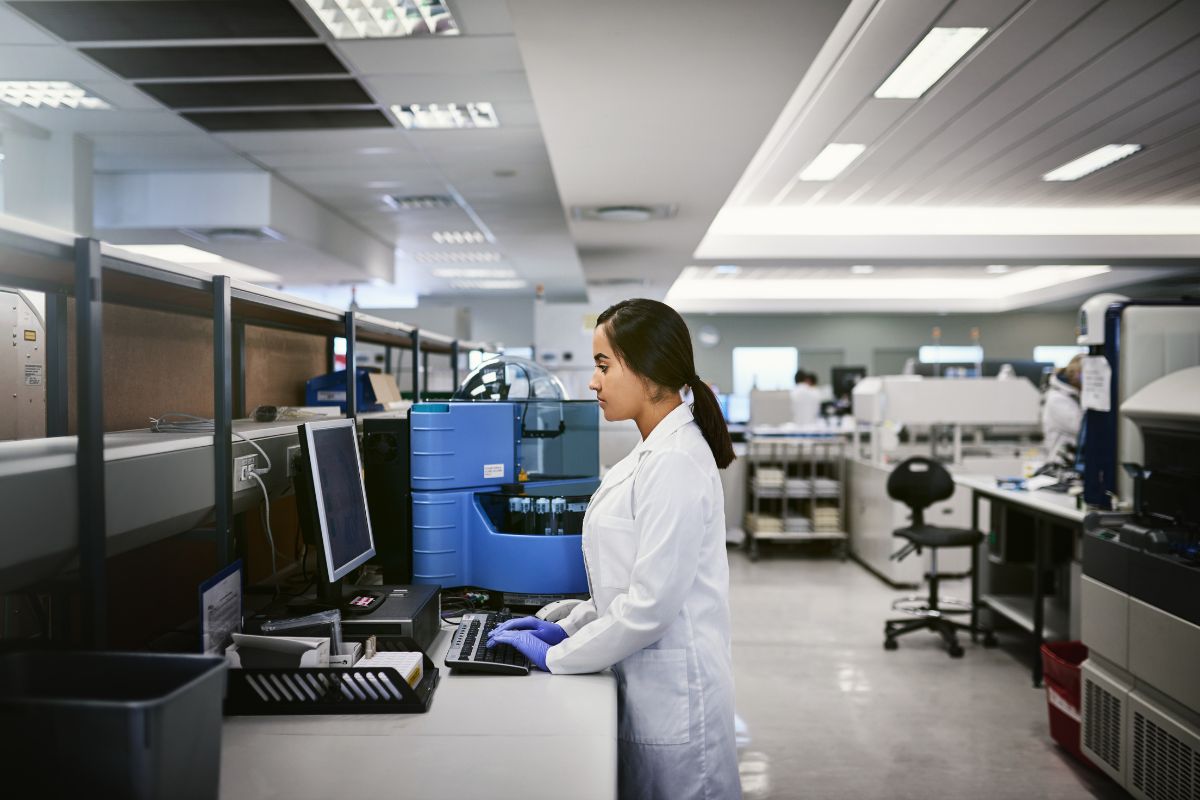
Digital biomanufacturing refers to the application of sophisticated digital technology to enhance the manufacturing of biologic products. By incorporating artificial intelligence (AI), automation, data analytics, cloud computing, and digital twins, companies can improve biologic manufacturing. These technologies increase productivity, reduce production costs, and improve product quality. They also help pharmaceutical companies, biotechnology firms, and research organizations develop innovative drugs while meeting growing global demand.
As industries adopt digital transformation, digital biomanufacturing is becoming a major driver of innovation. It supports advancements in healthcare, food production, agriculture, and industrial biotechnology. In addition, manufacturers can monitor and optimize production processes in real time. As a result, they produce high-quality biological products with greater consistency, reliability, and efficiency.
What Is Digital Biomanufacturing?
Biomanufacturing involves the production, modification, and processing of biological materials and living organisms. Digital biomanufacturing improves these processes by using advanced digital technologies. It combines automation, sensors, software, and data analytics to optimize bioreactor design and operation. In addition, manufacturers use real-time data to monitor every stage of production. This approach improves efficiency, increases process visibility, and supports faster decision-making. As a result, organizations can reduce errors, improve product quality, and achieve more consistent manufacturing outcomes.
Digital biomanufacturing unlike traditional manufacturing offers continual process surveillance allowing you to address any problem early before quality can be compromised to ensure efficiently and avoid any production risks/waste.
Core Technologies Driving Digital Biomanufacturing
Several advanced technologies are driving digital biomanufacturing. Among them, artificial intelligence (AI) and machine learning play a major role. These technologies analyze production data and identify important patterns. They also help manufacturers optimize production conditions and improve overall efficiency.
The Internet of Things (IoT) is another key technology. IoT uses connected sensors to monitor environmental, operational, and biological parameters in real time. As a result, manufacturers can quickly adjust production processes and improve product quality.
The expanding Digital Biomanufacturing Market is being driven by increasing adoption of cloud computing, digital twins, robotic automation, and predictive analytics. These technologies help manufacturers improve operational efficiency, reduce downtime, and accelerate the development of innovative biological products across multiple industries.
Role of Artificial Intelligence
Currently one of the biggest assets in digital biomanufacturing, AI uses algorithms to analyse vast amounts of production and biological data to determine where equipment is likely to fail, find efficiencies in fermentation, and boost product consistency over time through ongoing machine- learning.
Quality control uses this technology to detect process deviations that could affect product performance. Before production of defective parts starts manufacturers have the ability to make adjustments thus minimizing lost due to scraps and guaranteeing regulatory compliance.
Applications Across Industries
Common areas where Digital Biomanufacturing plays an essential role include pharmaceutical and vaccine production, biotech for manufacturing of biologics and cell therapies and applications such asgene and cell therapies. Biotech companies may exploit digital solutions to enhance R&D in labs, automate work steps, shorten time to market for products and facilitate custom or personalized manufacturing.
Digital biomanufacturing for Food & Agriculture The industry is increasingly leveraging digital biomanufacturing to sustainably produce food ingredients, alternative proteins, biofertilizers, and other eco-friendly agricultural products. Food and agriculture industrial biotechnology players are using digital tools to efficiently produce biofertilizers, alternatively proteins and eco-friendly animal feed. The industry is using digital tools to create and produces enzymes, bio-based chemicals and renewable raw materials from biological sources more efficiently.
Benefits of Digital Biomanufacturing
Process efficiency increases: Enhanced ability to quickly diagnose and resolve problems during real-time production saves time and resources and increases the chances of producing optimal yields while lowering or eliminating material waste; Reduced errors result in more consistency and less unreliability.
Supply chain visibility is enabled through digital technologies for the better of it in that digital applications provides reliable data on manufacturing to efficiently facilitate planning of inventory and productions. The application of digital innovation allows organizations to make better decision quickly and carry out predicting maintenance as to minimize production and operation costs and to enhance the efficiency of the manufacturing sector.
Challenges and Future Developments
Although a wealth of benefits are provided by digital biomanufacturing, not without its disadvantages: Digital biomanufacturing has few shortcomings, though they can hinder adoption, including high setup costs; cybersecurity hazards, the complexities of integration with older systems, and a dearth of expertise for professional jobs. Additionally, a range of regulatory compliance challenges with production data is a factor that should be accounted for, to say nothing of data security of intellectual property.
These and other issues should be resolved as technology evolves. Better cloud security, common data platforms, more advanced automation tools, and powerful new AI models should put digital biomanufacturing within reach of even small and agile organizations.
Future Outlook
The future of digital biomanufacturing looks promising. Rapid digitalization and continuous advances in biotechnology are driving market growth. In addition, investments in cloud computing, the Internet of Things (IoT), artificial intelligence, automation, and advanced analytics continue to increase. As a result, manufacturing processes are becoming smarter, faster, and more efficient.
Governments and private organizations are also investing in research and innovation. These initiatives encourage the adoption of digital technologies across the life sciences industry. Consequently, companies can improve production efficiency and accelerate the development of new biological products.
Furthermore, demand for biologic drugs, personalized medicine, sustainable products, and innovative therapies continues to grow. Therefore, digital biomanufacturing will play a critical role in the future of the biopharmaceutical industry. It will connect scientific research with smart manufacturing technologies, improve product quality, and support the development of innovative solutions for global markets.
