

Inconel 625 filler wires: Types, Uses, Recycling & Value Guide
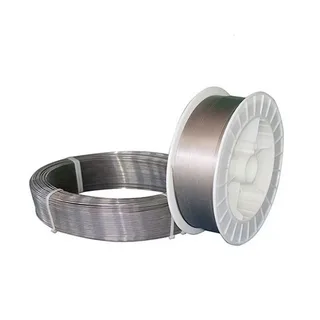
Inconel 625 is a nickel-based alloy known for corrosion resistance, strength, and performance in demanding environments. Fabricators use Inconel 625 filler wires to join compatible alloys and repair components. The material serves critical roles across welding, industrial applications, recycling, and value recovery.
What Are Inconel 625 Filler Wires?
Industrial welding requires filler wires for fabrication. These wires feature a nickel-chromium-molybdenum composition. The designation is UNS N06625. Welders select this Alloy 625 Filler Wire to create corrosion-resistant and high-performance welds. The melted wire forms a solid structural joint.
Types of Inconel 625 Filler Wires
- Solid Inconel Alloy 625 Filler Wires come in continuous spools. Welders use them directly for heavy gas metal arc welding.
- Suppliers provide filler wire in different precise diameters. The diameter must match the required weld pool and base plate thickness.
- Wire forms support automated robotic welding and manual welding processes. Straight cut lengths work best for manual gas tungsten arc.
- Filler metal classifications and specifications dictate exact chemical composition. Engineers verify these specific standards before authorizing any shop floor fabrication.
- Selection depends on the welding process, base material, plate thickness, and application requirements. A mismatched wire causes immediate physical joint failure.
Key Properties of Inconel 625 Filler Wire
- High corrosion resistance protects the welded joint from aggressive chemical attack. The weld seam survives extreme exposure without mass loss.
- Resistance to pitting and crevice corrosion stops localized metal failure. The molybdenum content prevents decay underneath tight bolted flange connections.
- Good strength and toughness keep the welded components intact. The heavy metal joints resist mechanical shock and severe industrial vibration.
- Resistance to oxidation and demanding environments extends the service life. The weld face does not break down in hot conditions.
- Good weldability allows shop workers to create clean joints efficiently. The molten puddle flows predictably under the correct shielding gas.
- Suitable performance at elevated temperatures keeps the equipment operational. The weld metal retains its yield strength during extreme process heat.
- Compatibility with various nickel alloys and selected dissimilar materials offers flexibility. Welders use it to join standard steel to alloys.
Uses of Inconel 625 Welding Wire
- Chemical processing equipment relies on these heavy welds. The joints survive constant exposure to mixed industrial acids without structural leakage.
- Petrochemical and oil & gas equipment requires this specific wire. The welded pipelines handle hot corrosive hydrocarbons safely under pressure.
- Marine and offshore components face severe saltwater exposure daily. The welds resist chloride pitting on oil platforms and cooling systems.
- Aerospace components utilize the high mechanical strength of the weld. Jet engine exhausts and turbine parts withstand intense flight heat.
- Heat exchangers need secure tube-to-tubesheet welds. The filler metal handles heavy thermal cycling while separating aggressive fluids from process chemicals.
- Power generation equipment operates under massive steam pressure. The welds hold heavy steam lines together inside nuclear and coal facilities.
- Pollution-control and flue-gas systems process highly acidic exhaust vapors. The welds survive hot sulfuric acid condensation inside heavy industrial scrubbers.
- Repair and fabrication of corrosion-resistant alloy components demand exact matching. Crews rebuild worn pump shafts and valves using this metal.
Why Choose Inconel Alloy 625 Filler Wires for High-Temperature Welding?
The alloy maintains useful mechanical and corrosion-resistant properties under demanding thermal conditions. Standard steel wire loses strength under heat. This metal provides oxidation resistance and withstands aggressive service environments. Engineers select the filler based on operating temperature and base-metal compatibility. A Heat Resistant Inconel 625 Filler Wire survives thermal cycling.
Inconel 625 Filler Wire Welding Considerations
- Welding process selection dictates the equipment setup. Gas tungsten arc welding requires different physical wire forms than gas metal arc welding.
- Base-metal grade and compatibility determine the exact required chemistry. The filler wire must fuse cleanly to prevent structural root cracking.
- Wire diameter influences the deposition rate heavily. Thick base plates require heavier wire to fill the joint gap safely and efficiently.
- Joint design and thickness require careful engineering calculations. Proper bevel angles allow the molten wire to penetrate the metal root.
- Surface preparation prevents immediate weld defects. Mechanics must grind the metal edges clean to remove grease and dirt before welding.
- Heat input and welding parameters need strict control. Excessive heat warps the base metal and alters the final weld’s corrosion resistance.
- Shielding gas requirements protect the molten puddle. Welders use pure argon or specialized mixtures to prevent atmospheric contamination from occurring.
- Interpass temperature control stops the metal from overheating. Workers pause between heavy weld passes to let the surrounding steel cool.
- Post-weld inspection and testing prove structural safety. Quality control inspectors use ultrasonic testing and X-ray scans to find hidden flaws.
Recycling of Inconel 625 Filler Wires
The recycling process involves collection and segregation of unused wire, offcuts, and welding scrap. Separate this material from other alloy and steel scrap. Handle identification through labels, certificates, or PMI. Sort based on alloy composition. Specialized metal recyclers process the material for the recovery of nickel, chromium, and molybdenum. Clean, properly segregated alloy scrap holds better recycling potential than contaminated scrap.
What Determines the Value of Inconel 625 Welding Wire Scrap?
Scrap value ties directly to alloy composition and nickel content. Quantity and consistency influence the payout. Cleanliness and physical contamination matter. New or unused wire holds a higher value than used welding scrap. Form and condition dictate processing difficulty. Current nickel and alloy-metal market conditions drive pricing. Meet strict testing and verification requirements. Local recycler and buyer requirements shift. Fixed prices do not exist because markets fluctuate.
How to Identify and Handle Inconel 625 Filler Wire Scrap
Keep Inconel 625 separate from stainless steel and other nickel alloys. Preserve original packaging, labels, and certificates when available. Avoid mixing clean wire with contaminated welding waste. Store scrap in a dry, organized area. Use material testing when grade identification is uncertain. Work with recyclers familiar with nickel-based alloy scrap.
Conclusion
Inconel 625 Welding Wire delivers extreme corrosion resistance, solid weldability, and high-temperature performance. Industries rely on it across chemical, marine, aerospace, and energy sectors. Proper identification and segregation are important when recycling the material. The exact value of recycled Inconel 625 depends on composition, condition, quantity, and prevailing alloy-market conditions.
