

The Secrets Behind High-Performing Exhibition Booths
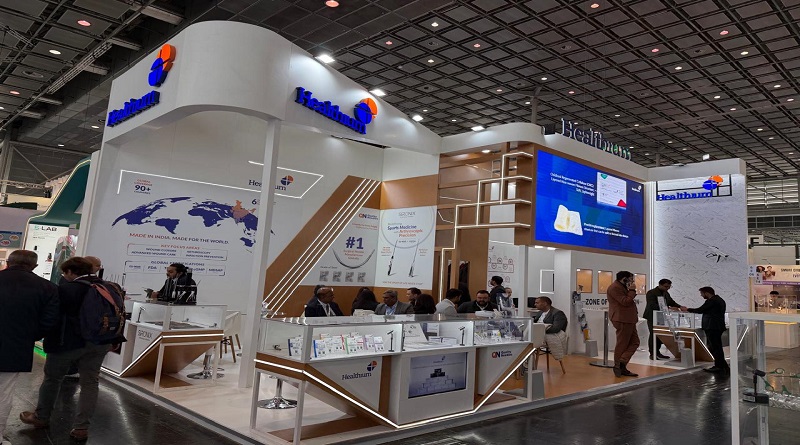
A successful exhibition booth is more than an attractive structure placed on a trade show floor. It is a strategic marketing tool designed to attract attention, communicate a brand message, engage visitors, and generate valuable business opportunities. With hundreds of exhibitors competing for attention at major trade shows, companies need more than impressive graphics to make their booth stand out.
So, what makes some exhibition booth builders perform better than others? The answer lies in combining thoughtful booth design, clear branding, visitor engagement, practical functionality, and a well-planned marketing strategy.
In this article, we explore the key secrets behind high-performing exhibition booths and how businesses can use them to maximise their trade show results.
1. Start With a Clear Exhibition Goal
One of the biggest secrets to a successful custom exhibition stand is having a clear objective before beginning the design process.
Your booth should be designed around what you want to achieve at the event. Your goals could include:
- Generating qualified leads
- Launching a new product
- Increasing brand awareness
- Meeting existing customers
- Demonstrating products or services
- Building partnerships
- Increasing sales opportunities
A booth designed only to “look impressive” may attract visitors but fail to deliver measurable business results. When the booth design is connected to specific objectives, every element—from the layout to the graphics and meeting areas—can serve a purpose.
2. Create an Eye-Catching Booth Design
First impressions matter enormously on a busy trade show floor. Visitors often decide within seconds whether a booth deserves their attention.
High-performing exhibition booth design ideas use strong visual elements to create immediate interest. This can include large-format graphics, creative structures, illuminated signage, attractive product displays, hanging signs, and distinctive architectural features.
However, eye-catching does not mean overcrowded. Too many colours, messages, graphics, and products can make a booth difficult to understand.
A successful exhibition booth should have a clean visual hierarchy. Visitors should quickly understand:
Who you are → What you offer → Why they should talk to you.
This simple communication structure can make your booth more effective and easier to navigate.
3. Make Your Brand Impossible to Miss
Brand visibility is one of the most important factors in 20×20 trade show booth rental performance.
Your company name, logo, colors, and key message should be visible from multiple directions whenever possible. Large overhead signs and strategically positioned branding can help visitors recognize your booth from a distance.
Your main message should also be short and easy to understand. Instead of filling walls with paragraphs of information, focus on a powerful headline supported by concise messaging.
Remember that trade show visitors are constantly moving. They do not have time to read lengthy content while walking through an exhibition hall.
4. Design Around Visitor Movement
An attractive booth is not necessarily an effective booth. The layout needs to make it easy for visitors to enter, explore, interact, and speak with your team.
A well-planned exhibition booth considers visitor movement from the moment someone approaches the stand.
Open entrances can make a booth feel welcoming, while clear pathways can prevent congestion. Product displays should be positioned where visitors can easily access them without blocking important areas.
Depending on your objectives, your booth may include:
- Product demonstration areas
- Reception counters
- Private meeting rooms
- Semi-private discussion spaces
- Storage areas
- Interactive displays
- Hospitality zones
Every square meter should have a purpose.
5. Use Interactive Experiences
Modern trade show visitors expect more than static displays. Interactive experiences can encourage people to spend more time at your booth and learn about your products.
Depending on your industry and budget, you can introduce:
- Touchscreen product demonstrations
- Digital presentations
- Augmented or virtual reality experiences
- Live demonstrations
- Interactive product displays
- Games and competitions
- Product sampling
The goal is not to add technology simply because it looks impressive. Technology should support your marketing message and improve the visitor experience.
For example, a touchscreen that helps visitors explore product features can be much more useful than a screen continuously playing a generic corporate video.
6. Give Visitors a Reason to Stop
Even the most beautiful booth needs a strong reason for visitors to stop.
Think about what your target audience wants to discover. A product launch, live demonstration, industry insight, expert presentation, special offer, or useful experience can create a strong attraction.
Your booth should answer the visitor’s question:
“Why should I stop here?”
A compelling headline combined with a relevant experience can turn passing traffic into meaningful conversations.
7. Train Your Booth Staff
Booth design may attract visitors, but your team converts attention into opportunities.
A high-performing trade show exhibit builder in San Jose needs trained staff who understand the company’s objectives, products, target audience, and lead qualification process.
Staff should know how to:
- Welcome visitors naturally
- Start meaningful conversations
- Ask relevant questions
- Identify qualified prospects
- Explain products clearly
- Demonstrate solutions
- Collect accurate lead information
- Schedule follow-up meetings
Avoid having staff members spend the entire event looking at their phones or talking only to colleagues. Every visitor represents a potential opportunity.
8. Build Comfortable Meeting Spaces
Trade shows are noisy and crowded, making comfortable meeting spaces extremely valuable.
If your goal is lead generation or business development, consider incorporating dedicated meeting areas into your booth. Depending on the booth size, you could include open discussion tables, semi-private meeting areas, or enclosed meeting rooms.
These spaces allow sales teams to move beyond quick conversations and have more detailed discussions with qualified prospects.
For larger custom exhibition booths, private meeting rooms can also provide a professional environment for negotiations, presentations, and client discussions.
9. Use High-Quality Graphics and Messaging
Graphics are one of the most visible elements of an exhibition booth, so quality matters.
Poor-quality images, excessive text, inconsistent branding, or difficult-to-read fonts can reduce the professional appearance of your stand.
Use high-resolution visuals and keep your messaging concise. Important information should be readable from a reasonable distance.
Instead of trying to explain everything on the walls, use graphics to attract attention and encourage visitors to start a conversation with your team.
10. Integrate Lead Generation Into the Booth
A high-performing booth should make it easy to capture visitor information.
Lead generation can be integrated into the visitor journey through:
- QR codes
- Digital forms
- Product registrations
- Appointment booking
- Demo requests
- Business card collection
- Lead scanning systems
However, lead collection should not feel intrusive. Offer something valuable in return, such as a product demonstration, consultation, useful resource, or personalized information.
The quality of leads is more important than simply collecting a large number of contacts.
11. Think Beyond the Trade Show Floor
Your exhibition strategy should begin before the event and continue after it ends.
Before the show, promote your participation through email marketing, social media, website content, and direct outreach. Tell potential customers where they can find you and what they can expect at your booth.
During the event, encourage visitors to engage with your brand and share their experience on social media.
After the show, follow up quickly while conversations are still fresh. Segment leads according to their level of interest and create appropriate follow-up messages.
A beautiful booth can create opportunities, but effective follow-up is what helps turn those opportunities into business.
12. Choose the Right Booth Partner
The exhibition booth builder or stand contractor you choose can have a major impact on the final result.
An experienced exhibition partner can help transform your ideas into a practical booth that combines creativity, functionality, branding, and visitor engagement.
When selecting a booth partner, consider their:
- Portfolio and previous projects
- Experience with your exhibition location
- Design and build capabilities
- Project management process
- Production quality
- Installation and dismantling services
- Understanding of event deadlines
- Ability to work within your budget
The right partner can make the entire exhibition process more organized and efficient.
Conclusion
High-performing, organised booths are not successful by accident. They combine strategic planning, creative booth design, strong branding, visitor-friendly layouts, engaging experiences, trained staff, and effective lead-generation systems.
The secret is to stop thinking of your exhibition booth as simply a physical display. Instead, treat it as a complete brand experience and a powerful sales and marketing environment.
Whether you are planning a compact booth for a regional event or a large custom exhibition stand for an international trade show, every design decision should support your business goals.
With the right strategy and an experienced exhibition booth design and build partner, your booth can attract more attention, create stronger visitor engagement, generate qualified leads, and deliver a better return from your trade show investment.
