

The Benefits of Hiring a Mobile Marine Mechanic Instead of Hauling Your Boat
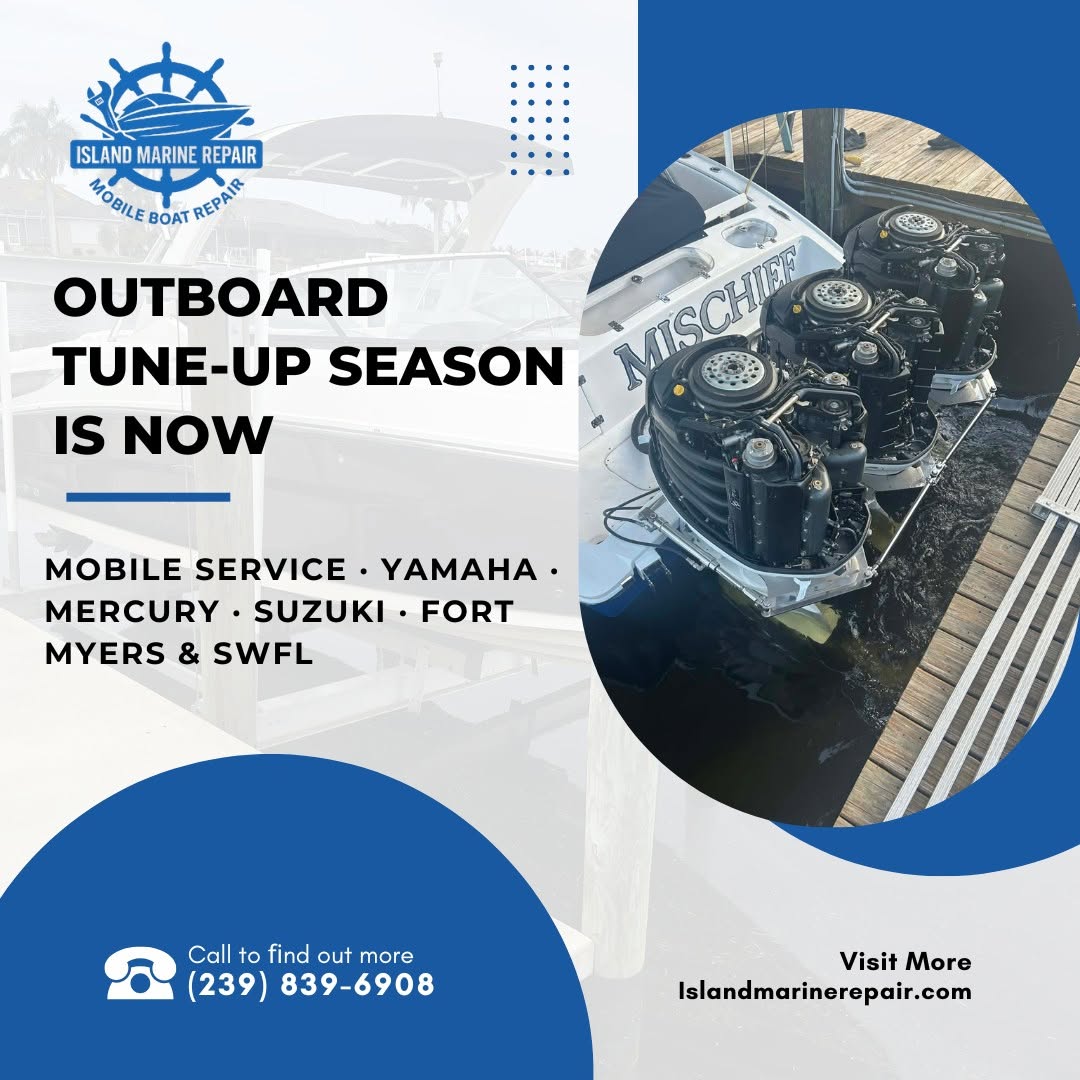
There’s a particular kind of frustration that comes with boat trouble: the engine won’t cooperate, and now the actual fix depends on a whole separate logistical operation just to get the boat somewhere it can be looked at. Hooking up a trailer that hasn’t been used in months, backing down a ramp with an audience, driving across town with a boat that may not even be running properly in the first place. For a lot of owners, that hassle is now easy to skip entirely by calling a mobile marine mechanic instead.
Save the Time a Tow Actually Costs
Trailering a boat sounds simple until you’re doing it. There’s hitching up, checking trailer lights that haven’t been tested since last season, finding a ramp with room to maneuver, and then, once the boat is finally out of the water, waiting for a shop to work it into a queue that’s often backed up for weeks. A mobile marine mechanic skips every part of that sequence. The technician comes to wherever the boat already sits, whether that’s a dock, a lift, or dry storage, and in most cases the diagnosis and repair happen in a single visit.
The time savings compound. It’s not just the hours spent hauling; it’s the days or weeks the boat would otherwise sit at a shop waiting its turn behind every other vessel that came in first.
Save the Money a Shop Visit Adds On Top
A traditional repair often comes with costs that have nothing to do with the actual mechanical work: tow or haul-out fees, ramp fees, storage charges if the boat sits longer than expected. Those add up fast, sometimes rivaling the cost of the repair itself. Going mobile removes that entire layer of expense. You’re paying for diagnosis and repair, not for the logistics of moving a boat that shouldn’t need to move at all.
Reduce the Risk to Your Boat and Your Vehicle
Trailering carries its own set of risks, especially for a rig that only comes out a handful of times a year. Trailer bearings that have quietly corroded, tires that lost air months ago, brake lights that stopped working without anyone noticing. Add in a boat that isn’t running well, which makes it harder to load, secure, and control, and a routine trip to the shop starts carrying more risk than the original problem did. Every haul that gets skipped is one less opportunity for something to go wrong on the highway.
A Mechanic Who Sees the Boat in Its Actual Environment
There’s a real diagnostic advantage to a technician working on a boat while it’s still in the water, at the dock or on the lift where it actually operates. Issues like a subtle vibration under load, an electrical gremlin that only shows up once systems are running together, or a cooling problem tied to how the boat sits at rest are sometimes easier to catch in that real-world setting than on a shop floor with the boat propped up on stands. A mobile marine mechanic gets to see the full picture rather than a boat frozen in an artificial environment.
Personalized Service, Not a Ticket Number
At a busy shop, especially during the winter season when Lee County’s boat traffic swells with seasonal residents, it’s easy to become one job among dozens, handed off between a service writer, a technician, and whoever happens to be available that day. Mobile service tends to work differently. Many mobile operations are small, owner-operated businesses where the same technician who diagnoses the problem is the one who repairs it, tests it, and explains exactly what was found. That continuity means fewer miscommunications and a mechanic who actually remembers your boat’s history the next time something comes up.
A Realistic Look at the Cost Difference
It’s worth walking through what a traditional repair actually costs once every line item is accounted for, not just the labor and parts. A tow or haul-out fee, ramp fees if you’re trailering yourself, potential storage charges if the boat sits at the shop longer than expected, and the fuel and time spent driving back and forth to check on progress or pick the boat up. None of that shows up on the repair estimate itself, but all of it comes out of the same budget. A mobile visit collapses that entire secondary cost structure into a single, predictable service call, which is often the biggest, and least talked about, source of savings in the mobile model.
Which Owners Benefit Most
Nearly every boat owner gains something from mobile service, but a few situations make the difference especially pronounced. Weekend boaters with limited free time benefit from not losing an entire Saturday to a ramp and a shop drop-off. Seasonal residents who are only in town for a few weeks at a time benefit from not sacrificing days of a short visit to a shop queue. Liveaboards and owners of larger boats benefit because trailering was never really practical for them in the first place. Working captains benefit most of all, since for them, downtime isn’t an inconvenience, it’s directly lost income. Whichever category you fall into, the underlying advantage is the same: the repair fits around your life instead of the other way around.
Ideal for Boats That Are Hard to Trailer
Not every boat can simply be pulled out of the water. Liveaboards, larger center consoles, and boats permanently docked at a private residence or marina slip aren’t always practical to trailer even when the owner has the equipment for it. For these situations, a mobile mechanic isn’t just more convenient, it’s often the only realistic option. The alternative, arranging a specialized haul-out and transport, can turn a routine repair into a multi-day project before any actual work even begins.
Local Knowledge That Generic Shops Don’t Always Have
A mechanic who works exclusively within a specific coastal region develops an intimate understanding of how local conditions affect boats. Southwest Florida’s combination of saltwater, heavy UV exposure, and near-constant humidity creates predictable failure patterns: connectors that corrode faster than they should, impellers that wear out ahead of schedule, fuel systems that struggle with ethanol-blended gas sitting in the tank between trips. That familiarity means less time spent chasing generic possibilities and more time going straight to the issues that are actually common on boats running these waters.
Better for Working Boats and Charter Operations
For captains who run charters or guide trips for a living, a boat sitting idle isn’t an inconvenience, it’s lost income. A mobile mechanic who can meet the boat at the dock between trips, often the same day a problem is called in, keeps a working vessel earning instead of sitting on a trailer waiting its turn. That responsiveness matters just as much for weekend owners who only have a handful of free days each month and don’t want to spend them waiting on a shop callback.
Protecting What You’ve Invested
A boat represents a real investment, and how it’s maintained has a direct bearing on both its reliability and its resale value down the road. Staying on top of small issues, quickly and without letting the boat sit unused for weeks at a time, is one of the more effective ways to protect that investment. It’s also simply more pleasant. Nobody buys a boat because they enjoy trailer logistics; they buy it to be on the water. A mobile marine mechanic keeps that priority front and center by handling the mechanical side wherever the boat already is.
How This Plays Out Over Several Seasons
The advantages of going mobile tend to compound the longer the relationship runs. The first visit saves a tow and a shop queue. By the third or fourth visit, the technician already has a working history of the boat, knows which components have already been replaced, and can often spot a developing issue simply by comparing it against what that specific engine looked like a year earlier. That’s a meaningfully different experience from starting over with a new shop, and a new set of unfamiliar hands, every time something needs attention.
The Simple Case for Going Mobile
None of this requires giving anything up. The same certified technicians, the same diagnostic equipment, the same quality of repair, just without the tow, the ramp line, and the multi-week wait. For most Southwest Florida boat owners, once they’ve had one dockside repair done the mobile way, going back to the old model of hauling a boat across town starts to feel like an unnecessary extra step in a process that never needed to be that complicated.
