

How Copper Grade Selection Influences Tube Manufacturing
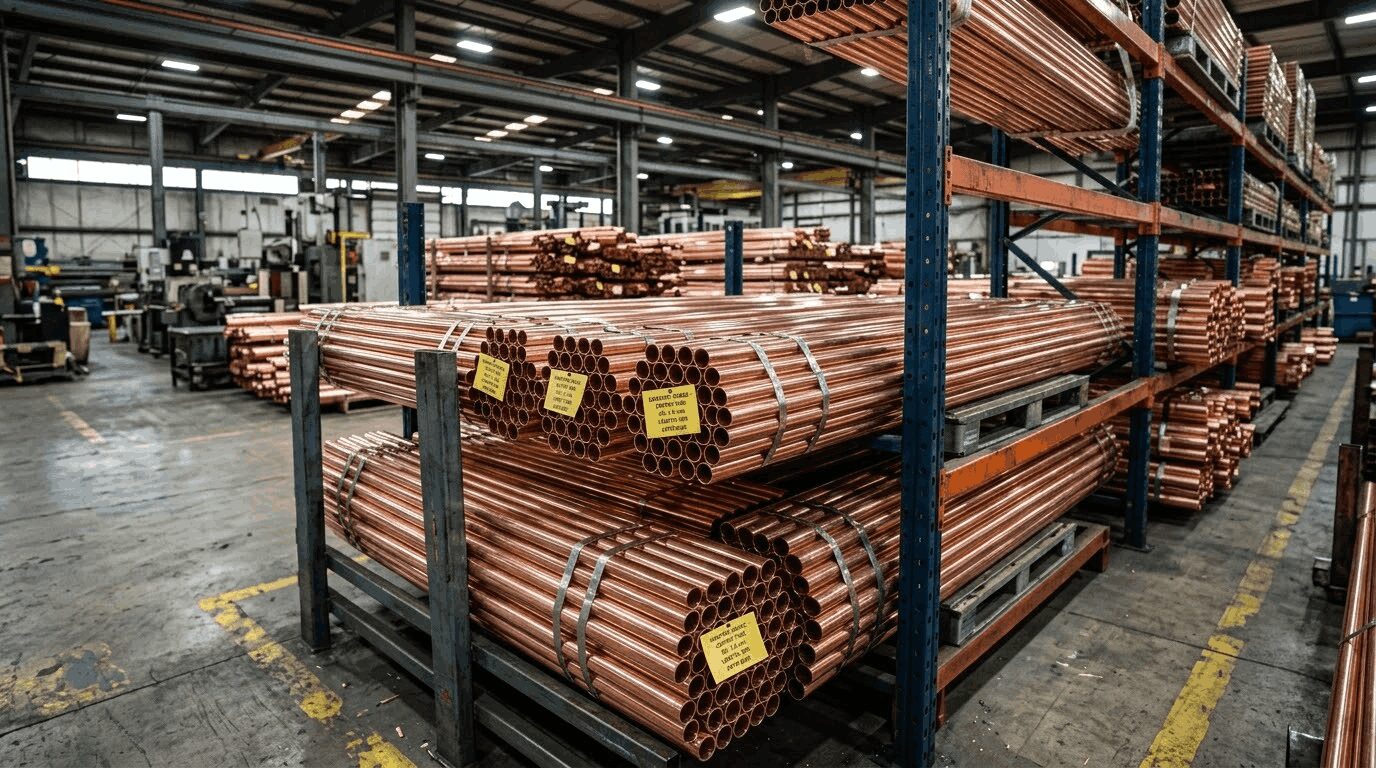
Selecting the correct copper grade determines manufacturability across all production stages. The specific alloy composition determines how a material behaves during forming, drawing, and joining processes. Conductivity limits and corrosion resistance also depend heavily on this initial material choice. Buyers must match grade selection with both their intended application and specific manufacturing requirements. Sanitary copper tubes manufacturers evaluate these material properties before beginning any production run. The chosen grade ultimately determines the final performance of the installed tubing system
Why Copper Grade Matters in Tube Manufacturing
High-purity copper performs differently under mechanical stress compared to phosphorus-deoxidised variants. This chemical difference changes the forming and drawing parameters on the factory floor.
Joining and fabrication methods rely heavily on the material structure. Oxygen-free grades prevent embrittlement during welding or brazing operations. Base material properties also determine the final mechanical strength of the product.
Thermal and electrical conductivity ratings correlate with alloy purity. Applications requiring maximum heat transfer need specific metallurgical profiles. Corrosion performance in harsh environments requires precise alloy specification. Finished tube suitability depends entirely on matching the base metal chemistry with the final operating environment. Experienced copper tube manufacturers analyse these factors before specifying production tolerances.
Common Copper Grades Used for Tubes
C12200 serves as the standard choice for general plumbing and fluid transport. This phosphorus-deoxidised material delivers excellent formability alongside strong corrosion resistance in harsh environments. Welders specify this grade because the phosphorus content prevents hydrogen embrittlement during high-temperature brazing operations. Most sanitary copper tubes manufacturers process C12200 for food production facilities and medical gas lines. High thermal and electrical conductivity demands point toward C11000. Electrolytic tough pitch copper offers maximum conductivity ratings. Engineers specify this grade for busbars and specialised electrical tubing.
C10100 and C10200 oxygen-free electronic grades provide extreme purity. These materials serve high-vacuum applications and advanced electronics. Zero oxygen content permits severe forming without material failure. A competent supplier like A.B.C. Tube Company processes multiple copper tube grades across different product forms. Factory capabilities determine which specific alloys run through the production line efficiently. Facility managers review material data sheets to confirm the selected alloy matches their forming equipment limits. The chemical profile of each grade impacts defect rates during extrusion.
How Grade Selection Affects Tube Manufacturing
Base metal chemistry defines the entire production workflow. Copper tube manufacturing begins at the melting and casting stage. Different alloys require distinct furnace temperatures and cooling rates to prevent internal porosity. C12200 needs precise phosphorus additions during casting to remove oxygen from the melt. Extrusion machinery pushes heated billets through dies to form hollow shells. Material flow characteristics determine ram speed and pressure limits. Higher purity grades often require more force to extrude accurately.
Drawing and pilgering reduce the tube diameter and wall thickness. Grade composition determines how many reduction passes a tube can survive before cracking. C12200 handles severe cross-sectional reduction well. Annealing restores ductility between drawing passes. Heat treatment parameters vary by alloy.
Final inspection and dimensional control confirm the tube meets the required standards. Eddy current testing detects surface flaws. Facilities like abctubecompany.com maintain strict controls over melting, casting, extrusion, drawing, and inspection to guarantee dimensional accuracy across all processed copper tube grades. The entire facility schedule rotates around these metallurgical variables. Production planning relies entirely on this data.
Choosing Copper Grades for Different Tube Applications
System designers match metallurgical properties to operating conditions. Plumbing and water systems require materials that resist scaling and internal pitting. Phosphorus-deoxidized copper handles aggressive water chemistries effectively.
HVAC and refrigeration systems operate under constant pressure cycles. The tubing must withstand internal pressure while maintaining formability for tight-radius bends in cramped spaces. Heat exchangers demand maximum thermal transfer efficiency. Material selection prioritises thermal conductivity to reduce energy consumption during heat exchange cycles.
Electrical applications require high-purity oxygen-free grades. Impurities in the metal structure degrade signal transmission and electrical flow. General engineering projects often balance mechanical strength with component cost.
Operating pressure determines wall thickness requirements. Copper tubing manufacturers review these parameters before recommending a specific alloy series. Temperature fluctuations cause expansion and contraction in the piping system. The selected metal must handle these thermal stress cycles without fatigue failure. Engineers verify that the base metal withstands the specific chemical profile of the transported fluid. Companies like abctubecompany.com process materials specifically for HVAC, refrigeration, plumbing, electrical, and heat-transfer applications.
What to Confirm When Selecting Copper Tube Manufacturers
Procurement teams must verify specific factory capabilities before placing an order. Reliable copper tube manufacturers provide detailed technical documentation for every batch.
Review this checklist during supplier evaluation:
- Copper grade and exact UNS designation
- Applicable product standard
- Precise OD and wall thickness tolerances
- Required temperature and mechanical condition
- Seamless construction versus other tube forms
- Required internal and external surface condition
- A specific copper tube manufacturing process is utilised
- Testing and non-destructive inspection methods
- Alignment with specific application requirements
- Complete material test reports and certification
A proper supplier evaluation avoids field failures. Factory inspection reports confirm the material meets chemical and dimensional requirements. Verify that the production facility maintains adequate testing equipment for the specified alloy. Plant auditors inspect the extrusion and drawing machinery. This verification step ensures the factory can actually process the requested specification.
Conclusion
The specified copper grade heavily influences both factory manufacturability and long-term service performance. Engineers must base their material choices on exact application requirements and required manufacturing characteristics. Precise dimensions, applicable industry standards, and comprehensive material documentation define a successful copper tube manufacturing run. Facilities must enforce strict quality controls at every production stage. Accurate material processing ensures the final product functions correctly.
